

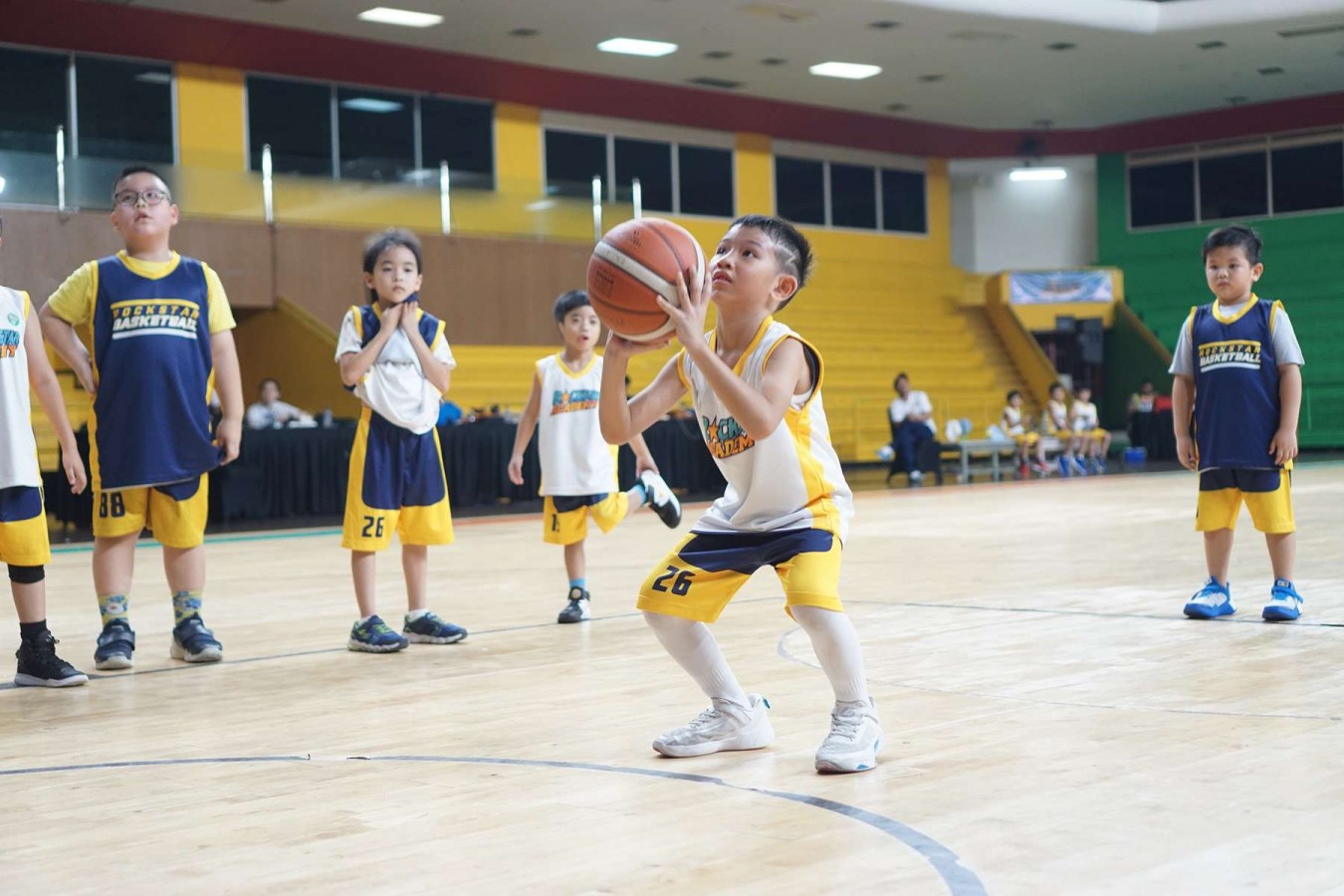
Youth Sports in New York Enhance Kids’ Mental and Emotional Health
Youth sports are far more than just a way for kids to burn off energy or learn athletic skills. Across New York, from bustling city neighborhoods to quieter suburban towns, organized sports programs play a pivotal role in children’s mental and emotional development. Participation in sports provides opportunities to build confidence, foster focus, develop social connections, and strengthen emotional resilience — all of which are critical components of long-term mental health.
At Youth Rescue Project, we’ve witnessed firsthand how structured sports activities become more than games — they are safe, supportive environments where children learn essential life skills. Beyond physical health benefits, youth sports offer mental and emotional advantages that can last well into adulthood. This comprehensive guide explores how playing youth sports in New York can positively impact children’s mental health, providing practical insights, evidence-based examples, and strategies for parents, educators, and community leaders.
Understanding the Mental Health Benefits of Youth Sports
Participation in sports is not just about competition — it’s a powerful tool to support mental health. Engaging in structured activities helps children develop coping mechanisms, self-confidence, and social-emotional skills.
Boosting Confidence Through Achievement
Sports provide measurable goals and achievements, from scoring a goal to improving a personal best. Experiencing success in sports helps children believe in their abilities, enhancing self-esteem and confidence in both athletic and non-athletic settings.
At Youth Rescue Project, we design programs that celebrate effort and growth, teaching kids that confidence comes from persistence, practice, and teamwork — not just winning.
Improving Focus and Cognitive Skills
Regular participation in sports improves attention span, concentration, and decision-making skills. Team strategies, practice routines, and in-game thinking require children to stay mentally engaged, enhancing cognitive development.
Research indicates that kids who play sports demonstrate better academic focus and problem-solving skills compared to peers who do not engage in structured physical activities.
Emotional Regulation and Stress Management
Sports often present challenges, competition, and setbacks. Learning to handle wins and losses teaches children emotional regulation. They develop resilience, patience, and coping strategies that help manage stress effectively in both sports and everyday life.
Social Skill Development Through Team Interaction
Participating in team sports fosters collaboration, empathy, communication, and leadership. Children learn how to work with peers, respect different viewpoints, and resolve conflicts — critical components of healthy social development.
Youth Rescue Project emphasizes social-emotional learning as part of all our youth sports programs, helping kids develop meaningful relationships and social confidence.
How Youth Sports Promote Emotional Resilience
Resilience, the ability to bounce back from challenges, is a critical aspect of mental health. Sports provide a natural environment to cultivate resilience.
Learning from Setbacks and Failure
Youth sports expose children to challenges, losses, and mistakes. When supported appropriately, these experiences teach perseverance and adaptive coping, encouraging a growth mindset that strengthens emotional resilience.
Developing Patience and Long-Term Thinking
Sports require consistent effort over time. Learning that improvement comes gradually helps children develop patience, delayed gratification, and the ability to set and achieve long-term goals.
Building Self-Discipline and Responsibility
Regular practices, adherence to team rules, and personal commitment to improvement teach children self-discipline and accountability — traits directly linked to emotional stability and mental health.
The Role of Physical Activity in Mental Health in New York
Physical activity itself has proven benefits for mental well-being. Sports combine exercise with social and cognitive engagement for a holistic mental health impact.
Endorphin Release and Mood Enhancement
Exercise triggers the release of endorphins, natural chemicals that improve mood and reduce stress. Participation in youth sports regularly can help alleviate feelings of anxiety and sadness.
Reducing Symptoms of Anxiety and Depression
Studies indicate that children who engage in regular physical activity, including sports, exhibit lower rates of anxiety and depression. Structured sports participation offers both physical exertion and social support, two key factors in improving mental health outcomes.
Enhancing Sleep Quality
Regular sports activity helps regulate sleep patterns. Improved sleep is critical for mental health, cognitive function, and emotional regulation, making sports a natural contributor to overall well-being.
Long-Term Mental Health Benefits of Youth Sports
Engagement in sports during childhood and adolescence establishes habits and skills that carry into adulthood.
Lifelong Coping Mechanisms
Children who learn to navigate challenges and manage stress through sports carry these strategies into adult life, enhancing resilience in personal and professional contexts.
Sustained Self-Esteem and Confidence
Experiences of achievement, skill development, and teamwork foster enduring self-confidence that supports mental health throughout life.
Strong Social Networks and Support Systems
Youth sports cultivate friendships and community connections that often last beyond the playing years, providing a social foundation that positively influences emotional well-being over time.
Evidence-Based Insights and Case Studies
Research and real-life examples underscore the mental health benefits of youth sports.
Academic and Psychological Research
Studies consistently show that children who participate in team sports demonstrate:
- Higher self-esteem
- Reduced stress and anxiety
- Improved social skills
- Enhanced academic performance
These benefits reflect the combined impact of physical activity, structured routines, and social interaction.
Real-Life Impact in New York Communities
Programs run by Youth Rescue Project across New York provide tangible examples of mental health benefits. Children report feeling more confident, focused, and socially engaged after participating in team sports.
Supporting Kids’ Mental Health Through Sports: Best Practices in New York
Parents, educators, and community leaders play a crucial role in ensuring sports participation positively impacts mental health.
Encourage Participation for Fun, Not Just Competition
Focusing on enjoyment, skill development, and social interaction reduces performance pressure and promotes intrinsic motivation.
Foster a Supportive Environment
Positive coaching, mentorship, and encouragement help children process setbacks constructively and build resilience.
Balance Sports With Rest and Academics
Maintaining balance prevents burnout and supports holistic well-being, including mental, physical, and academic health.
Celebrate Effort and Growth
Acknowledging effort and personal improvement encourages a growth mindset and strengthens self-confidence.
Types of Youth Sports That Benefit Mental Health in NY
While all sports offer benefits, certain activities may enhance specific mental health aspects.
Team Sports for Social and Emotional Skills
Basketball, soccer, baseball, and volleyball encourage teamwork, communication, and leadership development.
Individual Sports for Focus and Self-Discipline
Swimming, gymnastics, martial arts, and track help children cultivate concentration, personal goal-setting, and intrinsic motivation.
Adaptive or Inclusive Sports for Confidence and Inclusion
Inclusive programs ensure children of all abilities develop self-esteem, social skills, and a sense of belonging.
Overcoming Barriers to Youth Sports Participation
Not all children have equal access to sports. Addressing barriers is crucial for maximizing mental health benefits.
Financial Barriers and Accessibility
Community programs, scholarships, and non-profit initiatives like Youth Rescue Project help reduce cost-related obstacles.
Transportation and Facility Access
Local partnerships and school-based programs ensure children have safe access to sports facilities.
Addressing Social Anxiety or Confidence Concerns
Supportive coaching and peer encouragement help children overcome fears of participation and build social confidence.
How Parents and Educators Can Reinforce Mental Health Benefits
Encourage Open Communication
Talk with children about their sports experiences, challenges, and achievements.
Reinforce Positive Coping Strategies
Use sports experiences to teach stress management, problem-solving, and emotional regulation.
Support Extracurricular Balance
Ensure children maintain a healthy balance between academics, sports, and leisure to avoid burnout.
Key Takeaways for Maximizing Mental Health Through Youth Sports
- Sports participation enhances confidence, focus, and social-emotional skills
- Regular activity supports stress management, emotional regulation, and resilience
- Teamwork and social connection foster long-term mental health benefits
- Inclusive, supportive environments maximize positive outcomes
- Programs like Youth Rescue Project provide structured, safe spaces that nurture mental and emotional growth
Conclusion:
Youth sports are not merely recreational; They are a critical investment in children’s mental health. Participation in organized sports in New York equips children with confidence, focus, social skills, and emotional resilience, establishing the foundation for lifelong well-being.
At Youth Rescue Project, we are committed to helping children thrive through sports programs that prioritize mental, emotional, and physical health. By fostering supportive environments and teaching essential life skills, youth sports empower kids to navigate challenges, build meaningful relationships, and enjoy lasting mental and emotional benefits.
Playing youth sports is more than a game — it is a pathway to stronger, healthier minds and happier, more resilient children.