
Youth Sports Programs in New York Boost Kids’ Mental and Emotional Health
Participation in youth sports programs offers far more than physical fitness — it plays a pivotal role in children’s mental and emotional well-being. Across New York, from urban neighborhoods to suburban communities, structured athletic activities provide safe environments for kids to learn teamwork, build confidence, develop focus, and enhance social skills.
At Youth Rescue Project, we have seen firsthand how sports programs can transform a child’s mental health, fostering resilience, emotional balance, and a sense of achievement. Beyond winning games or improving athletic skills, youth sports serve as a foundational tool for holistic child development.
The Link Between Youth Sports and Mental Health in Children
Physical activity has long been linked to mental well-being, but structured youth sports offer unique psychological benefits. Participation in these programs improves mood, reduces anxiety, and instills a sense of routine that is essential for growing children.
Building Confidence Through Skill Development
Learning new skills and achieving milestones in sports empowers children, helping them feel capable and confident. Youth Rescue Project encourages activities that challenge children while offering constructive feedback, promoting positive self-esteem.
Enhancing Focus and Cognitive Skills
Sports require attention, strategy, and coordination. Children who engage in youth athletics often demonstrate better focus, problem-solving abilities, and cognitive flexibility, which translates into academic and social success.
Encouraging Emotional Resilience
Facing wins, losses, and unexpected challenges in sports teaches children how to cope with stress and manage emotions. Youth Rescue Project programs emphasize resilience-building, helping children navigate setbacks in both sports and life.
Social Benefits of Youth Sports Programs in New York
The social environment of team sports offers unique opportunities for children to form friendships, develop communication skills, and practice empathy.
Learning Teamwork and Cooperation
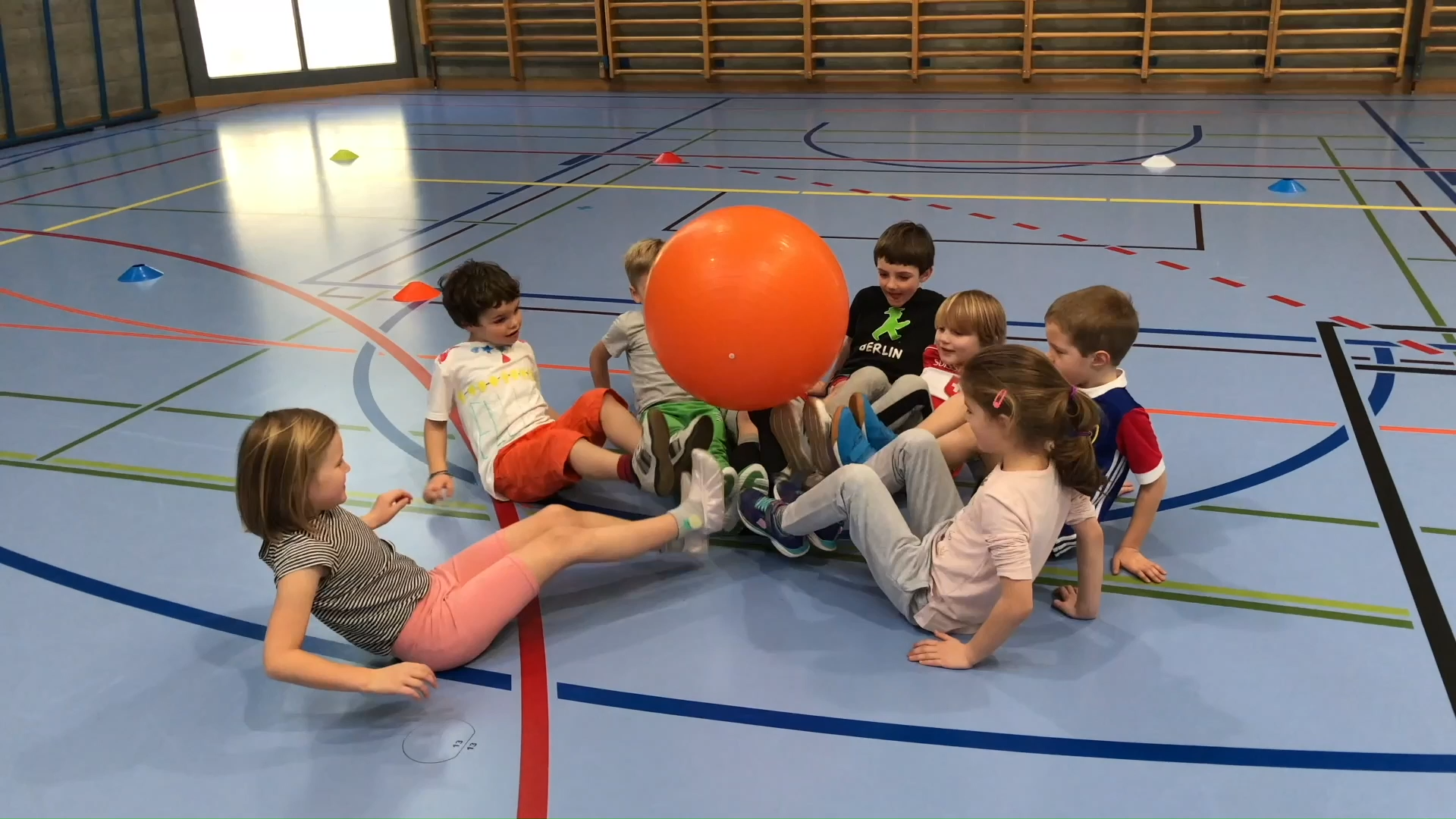
Team sports teach children how to work toward a common goal, communicate effectively, and support teammates. This cooperative learning fosters social confidence and interpersonal skills.
Developing Leadership Skills
Youth sports allow children to take on leadership roles, whether as team captains or peer motivators. These experiences build responsibility, decision-making abilities, and initiative.
Strengthening Peer Relationships
Shared experiences in sports, from training to competitions, create bonds among children. Positive peer interactions are crucial for social development and emotional support.
How Structured Sports Programs Support Mental Well-Being
Structured programs provide consistency, guidance, and mentorship, all of which are critical for mental health.
Professional Coaching and Mentorship
Trained coaches guide children not only in athletic skills but also in emotional growth, conflict resolution, and stress management. Youth Rescue Project emphasizes mentorship as a core component of its programs.
Safe and Supportive Environment
Youth sports programs offer controlled environments where children can take risks, make mistakes, and learn without fear of judgment. This promotes psychological safety and encourages growth.
Routine and Structure for Emotional Stability
Regular practice sessions and scheduled games provide a predictable routine, which can reduce anxiety and foster a sense of security among children.
Addressing Anxiety and Stress Through Physical Activity
Sports are natural stress relievers, releasing endorphins that improve mood and combat anxiety.
Physical Activity as a Mental Health Tool
Engaging in physical activity through youth sports helps children channel energy constructively, reduces feelings of restlessness, and enhances overall mental clarity.
Encouraging Mindfulness and Focus
Activities like team drills, warm-ups, and game strategies require presence and focus, which promotes mindfulness and reduces stress.
Youth Sports Programs and Academic Performance
Participation in sports has been shown to correlate with improved academic outcomes, as children develop better focus, time management, and discipline.
Enhancing Discipline and Self-Regulation
Sports teach children to follow rules, practice regularly, and balance commitments — skills that translate to the classroom.
Boosting Motivation and Goal-Setting
Achieving small milestones in sports encourages goal-setting behavior, persistence, and intrinsic motivation, positively affecting academic performance.
Emotional and Psychological Growth Through Competition
While winning is often highlighted, the process of competition teaches resilience, coping mechanisms, and emotional regulation.
Learning to Handle Wins and Losses Gracefully
Children learn to celebrate achievements and accept setbacks without discouragement, fostering healthy emotional responses.
Developing Patience and Persistence
Sports teach that progress takes time, effort, and consistency, reinforcing patience and perseverance.
How Youth Rescue Project Supports Mental Health in New York Kids
At Youth Rescue Project, we combine structured sports programs with mentorship and mental health guidance to ensure children receive holistic benefits.
Individualized Attention and Care
Each child receives guidance tailored to their abilities, emotional needs, and developmental stage.
Integrating Mental Health Practices in Sports
Programs include mindfulness exercises, emotional check-ins, and discussions to help children articulate feelings and manage stress.
Building a Community of Support
Parents, coaches, and peers collaborate to create a nurturing network that strengthens mental well-being and social confidence.
Long-Term Benefits of Youth Sports on Mental Health
Children who participate in sports experience enduring benefits, including improved self-esteem, resilience, and social competence.
Reducing the Risk of Mental Health Issues
Regular physical activity and social engagement in youth sports reduce the likelihood of anxiety, depression, and social withdrawal.
Developing Lifelong Healthy Habits
Participation instills routines of physical activity, teamwork, and goal-setting, fostering lifelong mental and physical health.
Enhancing Emotional Intelligence
Sports teach children to recognize their own emotions, empathize with teammates, and handle social situations effectively.
How Parents Can Support Mental Health Through Sports in New York
Parents play a vital role in maximizing the benefits of youth sports for their children.
Encouraging Participation Without Pressure
Focus on enjoyment, personal growth, and effort rather than just winning.
Communicating About Experiences and Emotions
Regularly discussing sports experiences helps children process emotions and strengthens parent-child bonds.
Partnering With Coaches and Mentors
Engage with coaches to monitor progress, address challenges, and reinforce positive behaviors.
FAQs About Youth Sports and Kids’ Mental Health
At what age should children start participating in youth sports?
Children can begin as early as 4–5 years, focusing on fun, motor skills, and basic teamwork.
Can sports help children with anxiety or ADHD?
Yes, structured sports can improve focus, reduce restlessness, and alleviate mild anxiety symptoms.
How often should children participate in sports for mental health benefits?
Ideally, 2–4 sessions per week provide consistent activity and social interaction without burnout.
Conclusion:
Youth sports programs in New York provide far-reaching benefits beyond physical fitness, profoundly influencing children’s mental health, confidence, focus, social skills, and emotional well-being. With structured programs that prioritize safe participation, mentorship, and holistic growth, children develop resilience, discipline, and lifelong habits that support their overall development.
At Youth Rescue Project, we are committed to creating environments where children not only play but thrive — building the foundation for healthier, happier, and more confident futures. By investing in youth sports programs, parents and communities are investing in the mental and emotional well-being of the next generation.