

The Connection Between Youth Sports and Mental Health
Participation in youth sports offers more than physical activity—it plays a critical role in enhancing mental health for children. From improving self-esteem to teaching teamwork and coping skills, organized sports provide a structured environment where kids can develop emotionally and socially. In New York, programs facilitated by organizations like Youth Rescue Project ensure children not only engage physically but also gain the mental resilience needed to navigate everyday challenges.
Recent studies indicate that children involved in regular sports activities demonstrate lower levels of anxiety and depression, higher social confidence, and better emotional regulation. By providing supportive coaching, peer interaction, and positive reinforcement, youth sports contribute to overall well-being, making them an essential aspect of childhood development.
Building Confidence Through Youth Sports
Developing Self-Esteem and Personal Achievement
One of the key mental health benefits of youth sports is enhancing self-confidence. Children learn to set personal goals, overcome challenges, and celebrate achievements, which reinforces a positive self-image. In New York, structured programs through Youth Rescue Project provide a safe environment for kids to try new sports, learn skills, and achieve incremental successes.
Encouraging Risk-Taking and Resilience
Sports encourage children to step out of their comfort zones, whether attempting a new skill or competing in a match. These experiences build emotional resilience, teaching kids that failure is part of growth. Coaches and mentors play a vital role in guiding youth through setbacks, helping them develop coping mechanisms that extend beyond sports.
Promoting Teamwork and Social Skills
Developing Communication and Collaboration
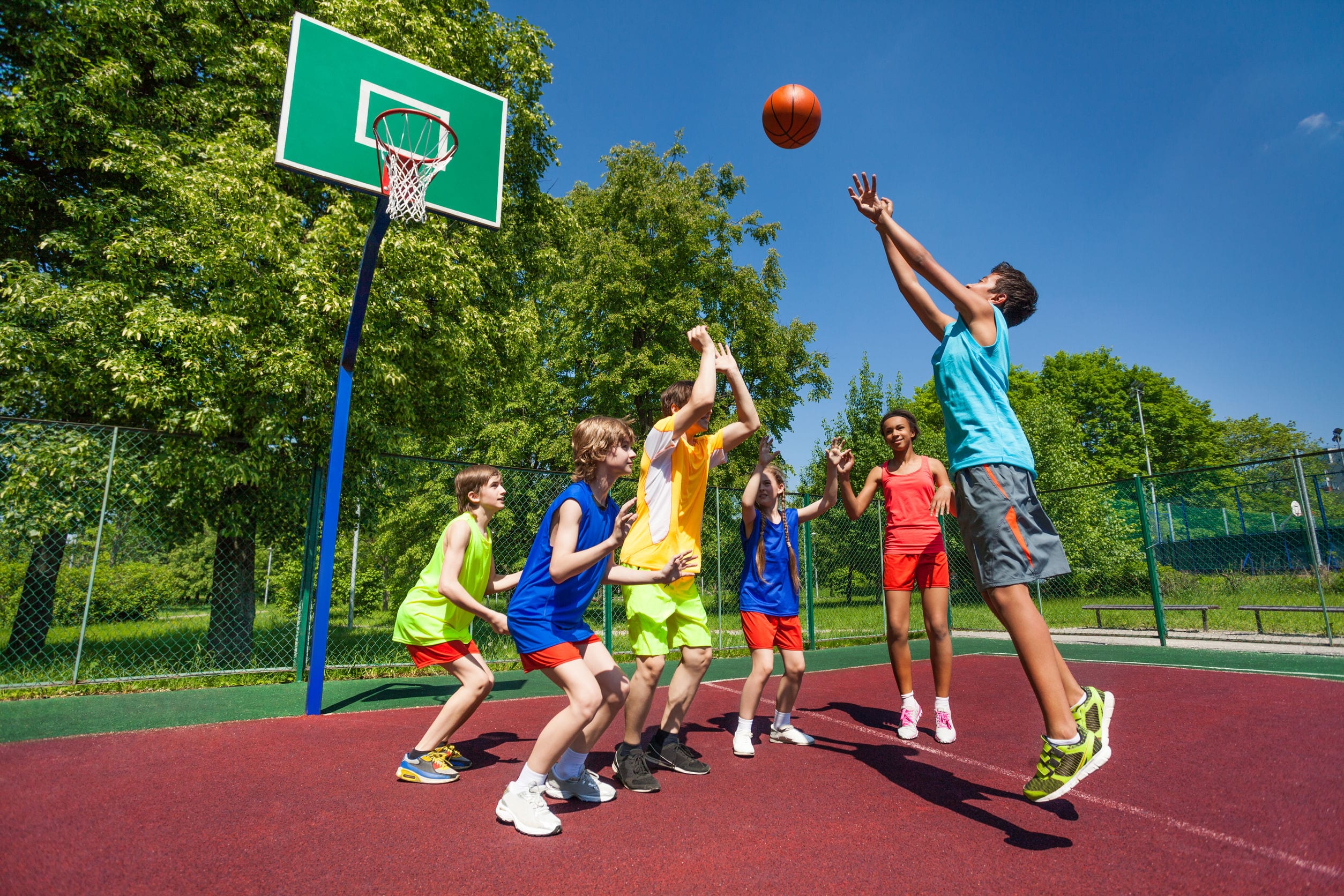
Team sports teach children the importance of communication, collaboration, and mutual respect. Through activities like basketball, soccer, or baseball, children learn how to work effectively with peers, negotiate conflicts, and celebrate collective success. These skills translate into improved social competence and better peer relationships, positively impacting mental health.
Fostering Friendships and Peer Support
Being part of a sports team provides children with a sense of belonging. Friendships formed through youth sports offer emotional support, reducing feelings of isolation and enhancing overall happiness. Programs like those offered by Youth Rescue Project focus on creating inclusive environments where every child feels valued, accepted, and motivated to participate.
Reducing Stress and Anxiety
Physical Activity as a Natural Mood Booster
Engaging in regular physical activity through sports stimulates the release of endorphins and dopamine, chemicals that promote happiness and reduce stress. In children, this natural boost can improve focus, reduce anxiety, and enhance emotional regulation.
Structured Routine and Mental Stability
Participation in youth sports also introduces children to a predictable routine, which provides mental stability. Knowing when and where they will practice helps kids manage daily stress, reduces uncertainty, and instills a sense of security, which is crucial for mental health development.
Enhancing Emotional Resilience
Learning to Handle Wins and Losses
Youth sports offer a controlled environment for children to experience both success and failure. Learning to handle victories gracefully and losses constructively builds emotional resilience, a skill vital for navigating academic pressures and social challenges.
Coping Mechanisms and Problem-Solving
Sports also provide opportunities to develop problem-solving skills under pressure. Whether it’s deciding on a game strategy or adjusting to opponents’ tactics, children learn to manage challenges effectively, strengthening their mental fortitude.
The Role of Coaches and Mentors
Positive Reinforcement and Guidance
Effective coaching goes beyond teaching techniques. Coaches in youth sports programs help guide children emotionally, providing encouragement, constructive feedback, and support in times of difficulty. Mentors in New York programs, including Youth Rescue Project, ensure every child feels heard, understood, and empowered.
Creating Safe and Inclusive Environments
Creating a safe and inclusive environment is critical to maximizing mental health benefits. Coaches are trained to recognize signs of stress, bullying, or disengagement, ensuring that each child receives individualized attention and care.
Long-Term Benefits of Youth Sports on Mental Health
Building Lifelong Habits
Children involved in sports develop healthy habits, including regular physical activity, time management, and teamwork, which contribute to long-term mental and emotional well-being.
Improved Academic and Life Outcomes
Research shows that children who participate in sports perform better academically, have higher levels of social integration, and demonstrate improved problem-solving skills. These outcomes highlight the holistic benefits of youth sports, extending mental health advantages well into adulthood.
Youth Rescue Project – Supporting Mental Health Through Sports in NY
Youth Rescue Project in New York provides structured, inclusive youth sports programs designed to enhance mental health, develop confidence, and teach resilience. By offering access to trained coaches, safe facilities, and mentoring support, the organization ensures that children not only play but thrive.
Through partnerships with local communities and schools, Youth Rescue Project ensures that every child has the opportunity to participate, regardless of background or ability. Their programs focus on both physical skills and emotional growth, making them a trusted resource for parents seeking holistic child development.
Conclusion: Unlocking Mental Health Benefits Through Youth Sports
Engaging in youth sports in New York offers children far-reaching mental health benefits, from building confidence and resilience to fostering social skills and reducing stress. With programs supported by Youth Rescue Project, kids can experience the full spectrum of advantages, learning life skills while enjoying the joy of play.
Encouraging your child to participate in sports is more than just fostering athletic talent—it’s an investment in their emotional well-being, social development, and long-term mental health. By supporting youth sports, you are giving children the tools to grow into confident, resilient, and well-rounded individuals.
FAQs: Youth Sports for Kids in New York
How do youth sports improve emotional resilience in kids?
Sports teach children to handle victories and losses, providing a safe space to develop coping mechanisms and problem-solving skills.
What mental health benefits does team sports participation provide?
Team sports enhance social skills, communication, and collaboration, and create peer support networks that reduce stress and anxiety.
How does physical activity in sports reduce stress in children?
Physical activity releases endorphins, promoting positive mood and reducing cortisol levels, which helps manage stress effectively.
Why is coaching important for children’s mental health in sports?
Coaches provide guidance, mentorship, and emotional support, ensuring safe, inclusive, and positive experiences for every child.
How can parents support their child’s mental health through youth sports?
Parents can encourage participation, provide emotional support, celebrate effort over outcome, and choose programs that emphasize holistic development.