
How Youth Sports Support Children’s Mental Health and Emotional Well-Being
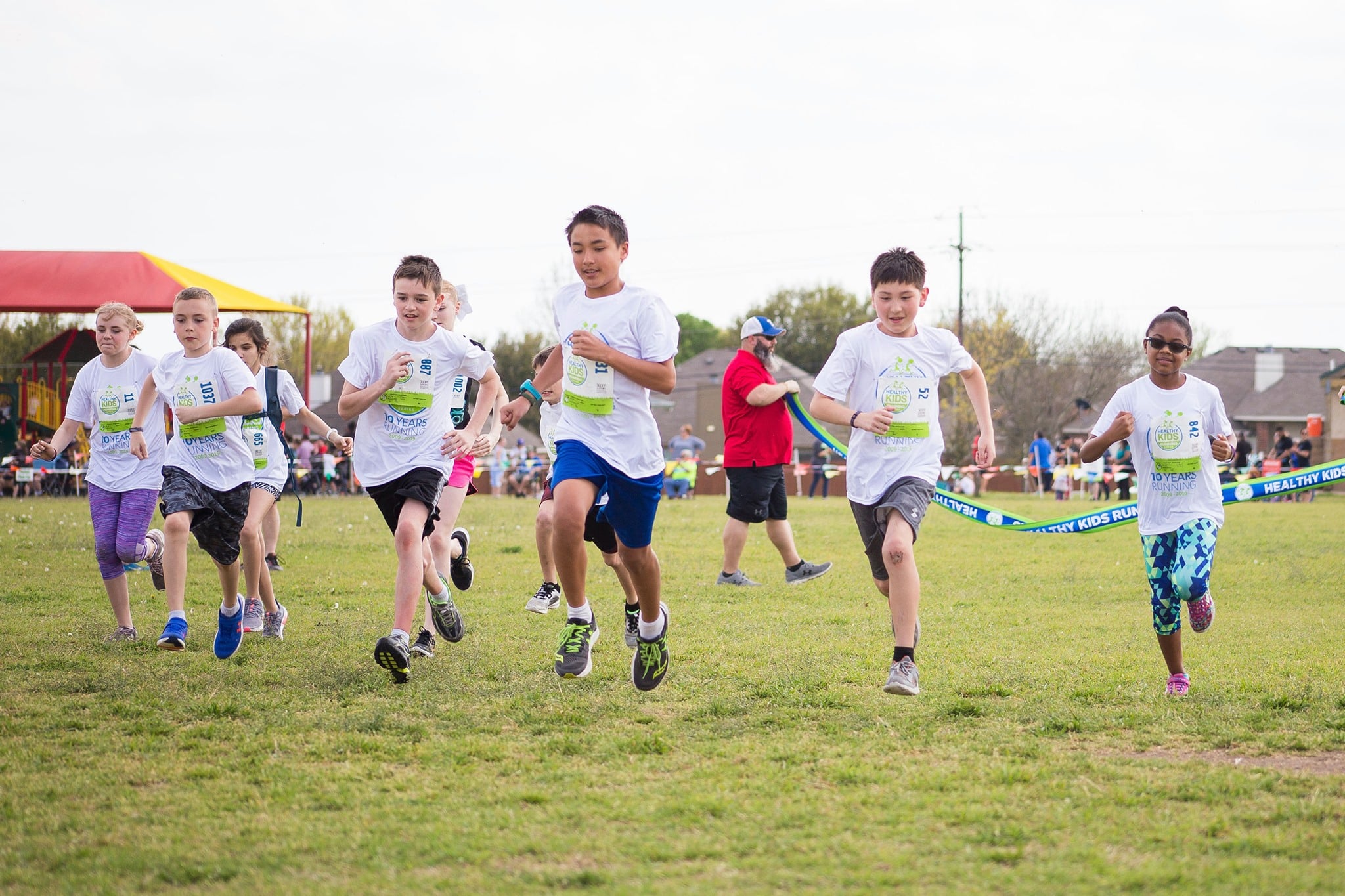
Participating in youth sports programs is often associated with physical health benefits like improved fitness, coordination, and overall well-being. However, the mental health advantages of structured youth sports programs are equally significant, especially for children navigating the complexities of school, friendships, and emotional development.
Youth sports programs in New York provide children with structured environments where they can build confidence, manage stress, learn teamwork, and grow emotionally. At Youth Rescue Project, we design programs that focus not only on athletic skills but also on nurturing mental resilience and social-emotional growth.
Understanding the Connection Between Youth Sports and Mental Health
Sports and mental health are deeply interconnected. Physical activity stimulates neurochemical processes that positively impact mood, cognitive function, and emotional regulation.
The Science Behind Exercise and Mental Health
Regular physical activity triggers the release of endorphins and serotonin, which reduce stress, anxiety, and depressive symptoms in children. Studies show that youth engaged in sports demonstrate better emotional stability and self-regulation than peers with sedentary lifestyles.
Social and Cognitive Development Through Sports
Beyond neurochemistry, sports teach children critical life skills such as focus, discipline, and problem-solving. These skills are directly linked to improved mental health and coping mechanisms.
Why Structured Programs Matter
Not all physical activity is equally beneficial. Structured youth sports programs provide consistent routines, mentorship, and safe spaces for emotional expression, maximizing mental health benefits.
Boosting Self-Confidence Through Sports in NY
One of the most immediate mental health advantages of youth sports is enhanced self-confidence.
Achieving Goals and Skill Mastery
Youth sports allow children to set personal goals and track their progress. Successfully mastering new skills fosters a sense of accomplishment that translates to confidence in other areas of life.
Positive Reinforcement from Coaches and Peers
Encouragement and constructive feedback from coaches and teammates reinforce self-esteem. Children learn that effort and persistence lead to growth, fostering resilience.
Building Identity and Self-Worth
Participation in a team or sport gives children a sense of belonging. Youth Rescue Project programs emphasize personal achievement while promoting a supportive community where kids feel valued and capable.
Reducing Stress and Anxiety Through Physical Activity
Childhood can be stressful due to academic pressures, social dynamics, and family challenges. Sports serve as a natural stress-relief mechanism.
Exercise as a Stress Management Tool
Physical activity lowers cortisol levels—the body’s primary stress hormone—while promoting relaxation and mental clarity.
Mindfulness and Focus in Athletic Training
Sports encourage children to stay present, focus on tasks, and engage in problem-solving. This mindfulness reduces rumination and anxiety.
Structured Play as an Outlet for Emotions
Youth sports provide safe environments for children to release pent-up emotions and energy, helping prevent stress from manifesting as negative behaviors.
Enhancing Social Skills and Teamwork
Team sports play a pivotal role in developing social-emotional skills essential for mental health.
Cooperation and Collaboration
Sports require children to work together toward common goals. Learning to collaborate fosters empathy, patience, and communication skills vital for healthy interpersonal relationships.
Understanding Roles and Responsibilities
Team participation teaches children about accountability, both to themselves and to others. Understanding that actions impact the group reinforces responsibility and integrity.
Developing Conflict Resolution Skills
Disagreements inevitably occur in team settings. Youth sports programs provide opportunities to practice conflict resolution, negotiation, and compromise under adult guidance.
Supporting Emotional Growth and Resilience
Youth sports programs help children develop coping mechanisms that support long-term emotional well-being.
Learning from Successes and Failures
Winning and losing in sports teaches children to handle both success and disappointment with grace. These experiences are directly transferable to emotional regulation in everyday life.
Building Persistence and Grit
Regular practice, setbacks, and gradual improvement instill resilience. Children learn that persistence leads to progress, reinforcing mental toughness.
Encouraging Self-Reflection and Growth
Sports provide opportunities for self-assessment. Children learn to recognize strengths, identify areas for improvement, and set realistic goals—skills that enhance self-awareness and emotional intelligence.
Physical Health Benefits That Support Mental Wellness
Mental health and physical health are interconnected, and youth sports programs strengthen both.
Increased Energy and Endurance
Regular participation in sports improves cardiovascular health and overall fitness, which positively impacts mood, sleep quality, and cognitive performance.
Neurodevelopment and Cognitive Function
Physical activity promotes neuroplasticity, which enhances memory, focus, and problem-solving skills in children.
Promoting Healthy Lifestyle Habits
Early engagement in sports fosters lifelong healthy behaviors that protect both physical and mental health.
The Role of Coaches and Mentors in Mental Health
Coaches and mentors are critical to maximizing the mental health benefits of youth sports programs.
Positive Role Modeling
Coaches demonstrate healthy communication, empathy, and sportsmanship, serving as role models for children.
Monitoring Emotional Well-Being
Trained coaches can identify signs of stress, anxiety, or social withdrawal and provide early intervention or referrals to mental health professionals.
Fostering Supportive Team Culture
A positive team environment reduces social isolation and encourages inclusivity, helping children feel safe and supported.
Inclusion and Accessibility in Youth Sports Programs in NY
Equitable access is key to maximizing benefits across diverse populations.
Programs for All Skill Levels
Youth Rescue Project emphasizes programs that accommodate beginners through advanced athletes, ensuring no child feels left out or discouraged.
Supporting Children With Special Needs
Adaptive sports programs create opportunities for children with disabilities to participate, learn skills, and experience social inclusion.
Encouraging Diversity and Cultural Awareness
Inclusive programs teach children to value diversity and respect differences, which promotes empathy and social cohesion.
Challenges Youth Sports Programs Address
Youth sports programs are uniquely positioned to help children navigate common mental health challenges:
Combating Anxiety and Shyness
Sports provide structured opportunities for shy or anxious children to engage socially in a supportive environment.
Preventing Social Isolation
Group activities help children develop friendships, reducing feelings of loneliness and increasing emotional support networks.
Managing Peer Pressure
Supervised programs teach children to handle competitive environments, peer expectations, and social challenges constructively.
Why Parents Choose Youth Rescue Project for Mental Health–Focused Sports
Youth Rescue Project in New York has built a reputation for combining athletic development with emotional support.
Expertise in Child Development
Programs are designed with evidence-based strategies to support both physical and mental growth.
Personalized Attention
Small group sizes and dedicated coaching ensure children receive individualized guidance.
Community and Emotional Support
Programs focus on building a sense of belonging and promoting positive social interactions that extend beyond the sports arena.
Long-Term Mental Health Benefits of Youth Sports Programs
Participation in youth sports has enduring advantages that extend into adulthood.
Lifelong Confidence and Self-Efficacy
Children develop a sense of competence that carries over into academic, social, and professional endeavors.
Improved Stress Management Skills
Learning to navigate competitive and cooperative situations builds coping strategies for adult life.
Strong Social and Emotional Intelligence
Team interactions and mentorship experiences enhance empathy, leadership, and emotional regulation skills.
Conclusion: Investing in Kids’ Mental Health Through Sports
Youth sports programs are more than recreational activities—they are powerful tools for mental health, social-emotional development, and lifelong well-being. Children gain confidence, manage stress, develop resilience, and learn essential life skills through participation in structured athletic programs.
At Youth Rescue Project, our programs in New York prioritize mental health alongside athletic development. By providing supportive coaching, safe environments, and inclusive opportunities, we help children thrive emotionally, socially, and physically.
Investing in youth sports is an investment in children’s mental health and future success—one game, practice, and teamwork lesson at a time.