
The Role of Youth Sports Programs in Building Confidence and Resilience
Childhood and adolescence are crucial stages for developing confidence, emotional resilience, and social skills. While academic learning plays a crucial role, personal growth often develops through real-world experiences, especially those that foster teamwork, discipline, and resilience. In New York, youth sports programs have become a powerful tool for supporting children’s holistic development beyond the classroom.
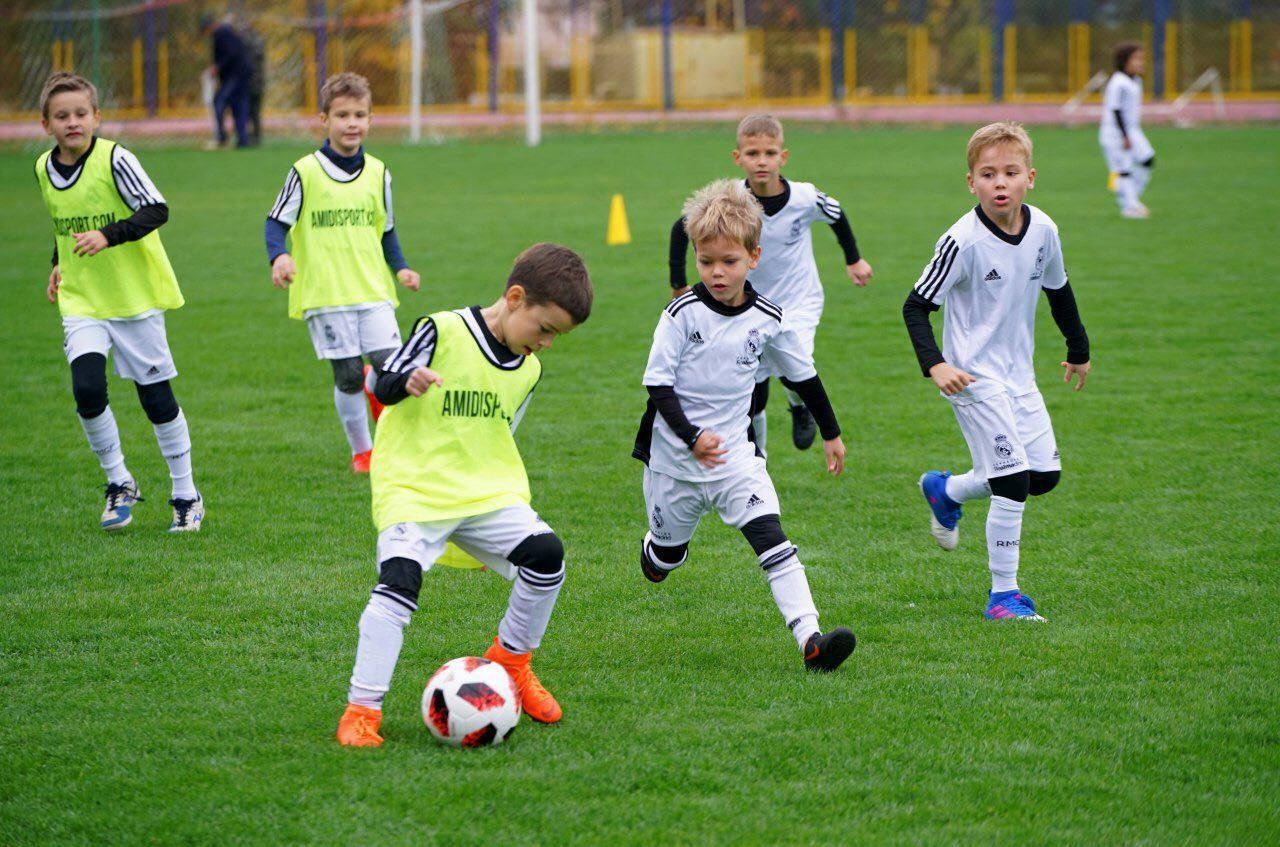
From organized team sports to community-based athletic programs, youth sports in New York provide structured environments where kids learn to work with others, manage emotions, and develop leadership skills. These programs do more than promote physical fitness; they help shape character, self-esteem, and lifelong habits.
At Youth Rescue Project, we recognize the transformative impact that youth sports programs can have on young people. By supporting opportunities that encourage growth, accountability, and positive social engagement, youth sports play a vital role in helping kids thrive both on and off the field.
The Role of Youth Sports Programs in New York Communities
Youth sports programs are deeply woven into New York’s diverse communities, serving children from a wide range of backgrounds and life experiences.
Providing Structured and Positive Environments for Kids
Youth sports programs offer structured routines that help children develop consistency and responsibility. Practices, games, and team commitments create predictable schedules that support healthy habits.
For many families, these programs provide safe, supervised spaces where kids can channel energy positively and stay engaged in constructive activities.
Promoting Inclusion and Community Connection
New York’s youth sports often bring together children from different cultures, neighborhoods, and socioeconomic backgrounds. This diversity encourages mutual respect, empathy, and understanding—key components of personal growth.
At Youth Rescue Project, community-based engagement is viewed as a powerful way to help young people feel connected, valued, and supported.
Building Confidence Through Youth Sports Participation
Confidence is one of the most significant personal growth outcomes of youth sports involvement.
Developing Self-Belief Through Skill Progression
As children practice and improve their athletic skills, they gain a sense of accomplishment. Mastering new techniques or contributing to a team’s success reinforces self-belief and encourages kids to trust their abilities.
Learning to Overcome Fear and Self-Doubt
Sports naturally involve challenges, mistakes, and setbacks. Youth sports programs teach kids that failure is part of growth and that persistence leads to improvement.
Learning to face fear, manage nerves, and try again builds resilience and emotional strength that supports long-term personal development.
Teaching Teamwork and Social Skills Through Youth Sports
Teamwork is a foundational skill developed through youth sports programs in New York.
Learning Cooperation and Communication
Team sports require players to communicate effectively, listen to others, and work toward shared goals. These interactions teach kids how to collaborate, resolve disagreements, and support teammates.
Strong communication skills developed in sports often carry into friendships, school environments, and future workplaces.
Encouraging Empathy and Respect for Others
Youth sports programs emphasize respect for teammates, opponents, coaches, and officials. Kids learn to appreciate different strengths and perspectives, fostering empathy and social awareness.
At Youth Rescue Project, these interpersonal skills are recognized as essential building blocks for healthy relationships and positive community involvement.
Discipline and Responsibility Developed Through Youth Sports
Discipline is a core value instilled through consistent participation in youth sports.
Understanding Commitment and Accountability
Showing up to practices, following team rules, and honoring commitments teach children accountability. Youth sports programs reinforce the importance of responsibility to oneself and others.
Developing Time Management Skills
Balancing schoolwork, family life, and sports activities requires effective time management. Youth sports help kids learn how to prioritize tasks and manage schedules responsibly.
Supporting Emotional Resilience and Mental Well-Being
Youth sports programs in New York play an important role in supporting emotional health and resilience.
Learning to Manage Emotions in Challenging Situations
Sports environments expose kids to pressure, competition, and emotional highs and lows. Learning how to manage disappointment, frustration, and excitement helps children develop emotional regulation.
Building Healthy Stress-Management Skills
Physical activity itself is a proven stress reliever. Youth sports provide a healthy outlet for releasing tension while teaching kids constructive ways to handle stress.
At Youth Rescue Project, emotional resilience is seen as a key component of long-term personal growth and well-being.
Encouraging Leadership Skills in Youth Sports Programs
Leadership opportunities naturally arise in sports settings.
Learning by Example and Responsibility
Team captains and peer leaders learn how to motivate others, lead by example, and take responsibility for group outcomes. These experiences foster confidence and ethical decision-making.
Even children who are not formal leaders learn leadership qualities by observing and supporting their peers.
Developing Problem-Solving and Decision-Making Skills
Sports require quick thinking and adaptability. Youth sports help kids practice problem-solving under pressure, a skill that supports personal and academic success.
Physical Health Benefits That Support Personal Growth
Physical health and personal growth are closely connected.
Improving Strength, Coordination, and Endurance
Youth sports programs promote physical fitness, helping children develop strength, coordination, and overall health. Physical confidence often enhances emotional and social confidence.
Supporting Healthy Lifestyle Choices
Participation in sports encourages kids to value nutrition, rest, and self-care. These habits support both physical and mental well-being.
At Youth Rescue Project, promoting healthy lifestyles is viewed as an essential part of youth development.
Youth Sports as a Tool for Positive Behavior Development
Youth sports programs can influence behavior in meaningful ways.
Encouraging Goal-Setting and Motivation
Setting goals, whether improving performance or contributing to a team, teaches kids how to stay motivated and focused.
Goal-oriented thinking supports academic achievement and personal ambition.
Reducing Risky Behaviors Through Positive Engagement
Structured sports programs keep kids engaged in supervised activities, reducing exposure to negative influences. Positive peer connections and mentorship help guide healthier choices.
How Youth Sports Programs Support At-Risk Youth in New York
Youth sports programs can be especially impactful for at-risk youth.
Providing Mentorship and Positive Role Models
Coaches and program leaders often serve as mentors, offering guidance, encouragement, and stability. Positive adult relationships can significantly influence a child’s outlook and behavior.
At Youth Rescue Project, mentorship is recognized as a powerful tool for personal transformation.
Creating Opportunities for Belonging and Purpose
Feeling part of a team gives kids a sense of belonging and purpose. This emotional connection supports self-worth and reduces feelings of isolation.
Long-Term Impact of Youth Sports on Personal Development
The benefits of youth sports extend far beyond childhood.
Skills That Translate Into Adulthood
Confidence, discipline, teamwork, and resilience developed through youth sports prepare individuals for success in higher education, careers, and relationships.
Building a Foundation for Lifelong Growth
Youth sports programs help instill values that guide decision-making and personal growth throughout life.
How Youth Rescue Project Supports Youth Development Through Sports
At Youth Rescue Project, we understand that youth sports are more than games—they are opportunities for growth, healing, and empowerment.
Supporting Programs That Foster Holistic Growth
Youth Rescue Project supports initiatives that emphasize emotional development, positive mentorship, and inclusive participation alongside physical activity.
Advocating for Safe and Supportive Youth Environments
By promoting structured, supportive programs, Youth Rescue Project helps ensure that young people have access to experiences that encourage healthy development and positive life choices.
FAQs About Youth Sports Programs in New York
At what age should kids start youth sports?
Many programs begin at early ages, focusing on fun, skill development, and social interaction rather than competition.
Are youth sports beneficial for shy or introverted children?
Yes. Youth sports can help introverted children build confidence, social skills, and a sense of belonging at their own pace.
How do youth sports support academic success?
Skills like discipline, time management, and goal-setting developed through sports often contribute to improved academic performance.
Conclusion: Why Youth Sports Programs Matter for Personal Growth
Youth sports programs in New York play a vital role in shaping confident, resilient, and socially connected young people. By supporting physical health, emotional well-being, and essential life skills, these programs contribute to holistic personal growth that lasts well beyond childhood.
At Youth Rescue Project, we believe that access to positive, structured youth sports experiences can change lives. By fostering confidence, teamwork, discipline, and resilience, youth sports help kids build the foundation they need to succeed—in school, relationships, and life.
Investing in youth sports programs is an investment in stronger individuals, healthier communities, and a brighter future for New York’s youth.